Thompson Glass
Decision-Support Platform for Architectural Glass
B2B manufacturing UX — turning architectural glass specs into a self-serve specification tool.

Client
Thompson
Competitors
My Role
Lead Product Designer — IA, B2B UX, decision-support design
Industry
B2B · Manufacturing · Architecture · Security
Deliverables
Information architecture, product UX, B2B decision-support patterns
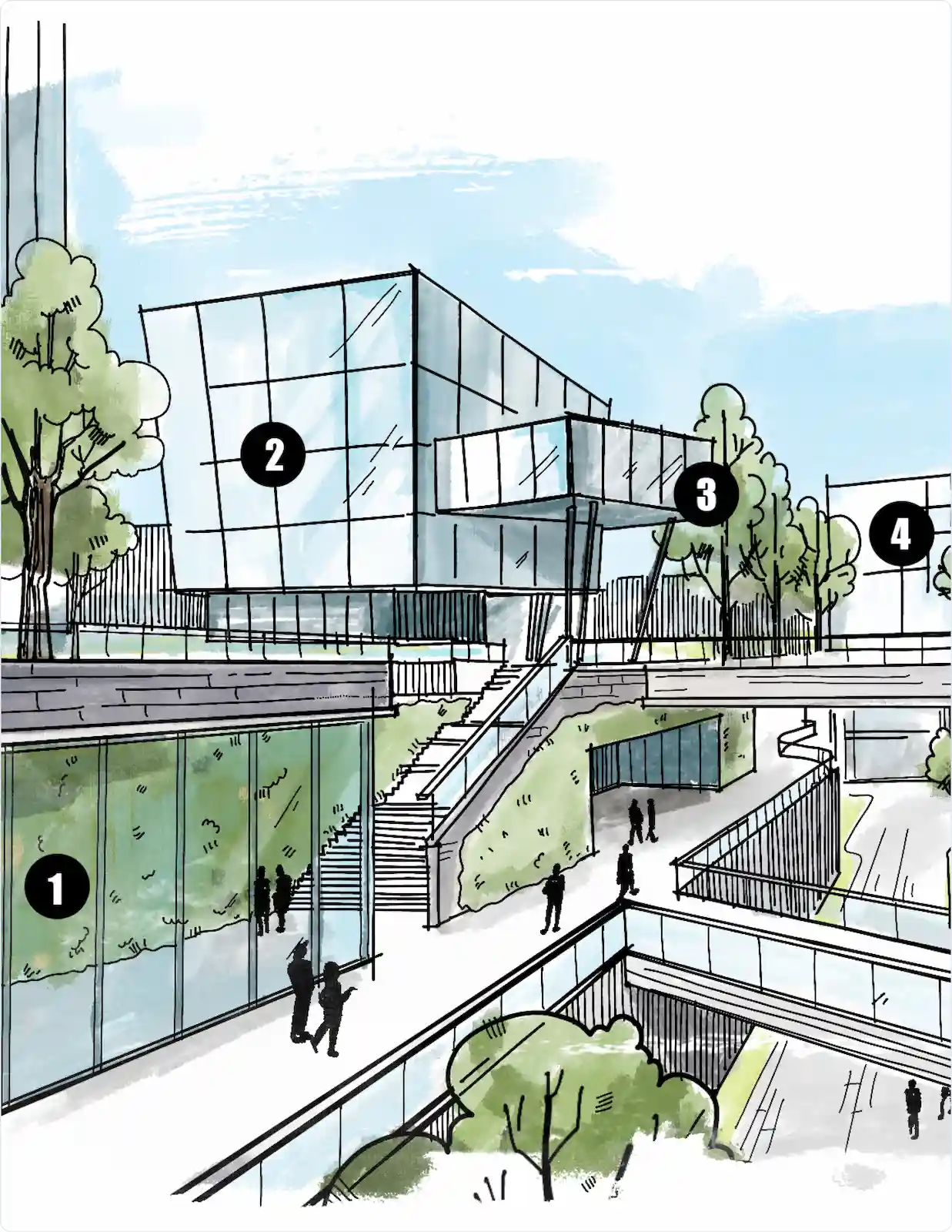
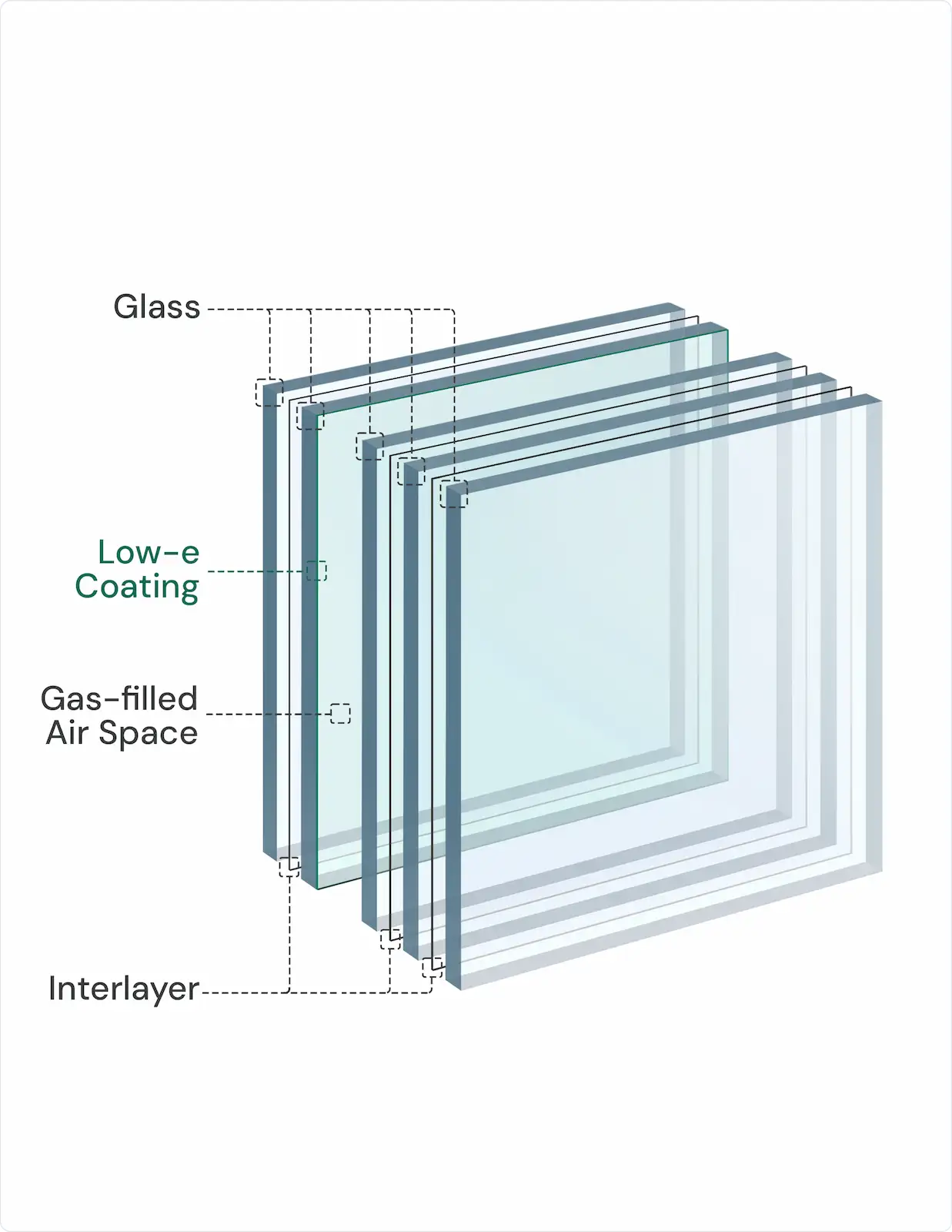
Thompson manufactures architectural and security glass – façade, soundproof, energy-efficient, and ballistic – for developers, architects, and project bureaus. Their site was the first touchpoint for specifiers choosing between dozens of technical options for projects ranging from schools to high-security buildings.
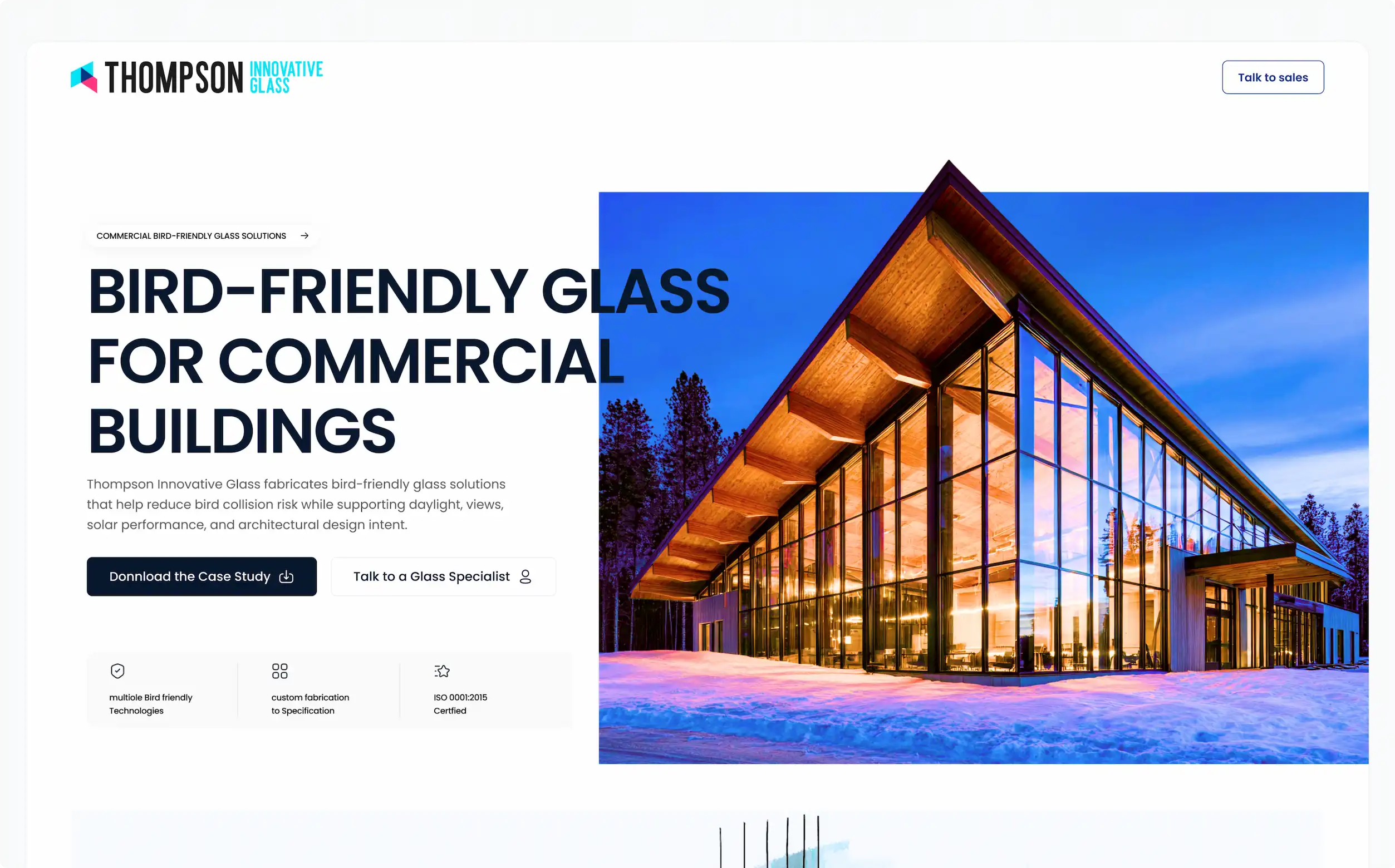
The original site led with technical spec sheets, industry catalogues, and PDF datasheets – the language of product engineering, not specification. Architects and procurement managers were leaving without contacting the team because they couldn’t find the right product fast enough. The brief was to rebuild the site around the specifier’s task, not the manufacturer’s catalogue.
Keywords:
– B2B UX
– Manufacturing
– Information architecture
– Decision-support UX
– Complexity reduction
– Design system
The challenge
Specifiers don’t shop for materials – they look for solutions to a project context. “School with safety requirements,” “residential tower with sound issues,” “office façade with energy targets.” The site was forcing them to translate their problem into manufacturer terminology, and the friction was producing lost leads. The product had to invert: lead with task, surface specs only at the moments they mattered.

My Role
I led UX and product design – research, IA, the system, and the engineering hand-off – partnering with sales and product engineering to translate specifier behaviour into a self-serve specification flow
– Restructured the site IA around tasks (Safety, Energy, Soundproofing, Façade) instead of product codes, making the specifier’s mental model the navigation model.
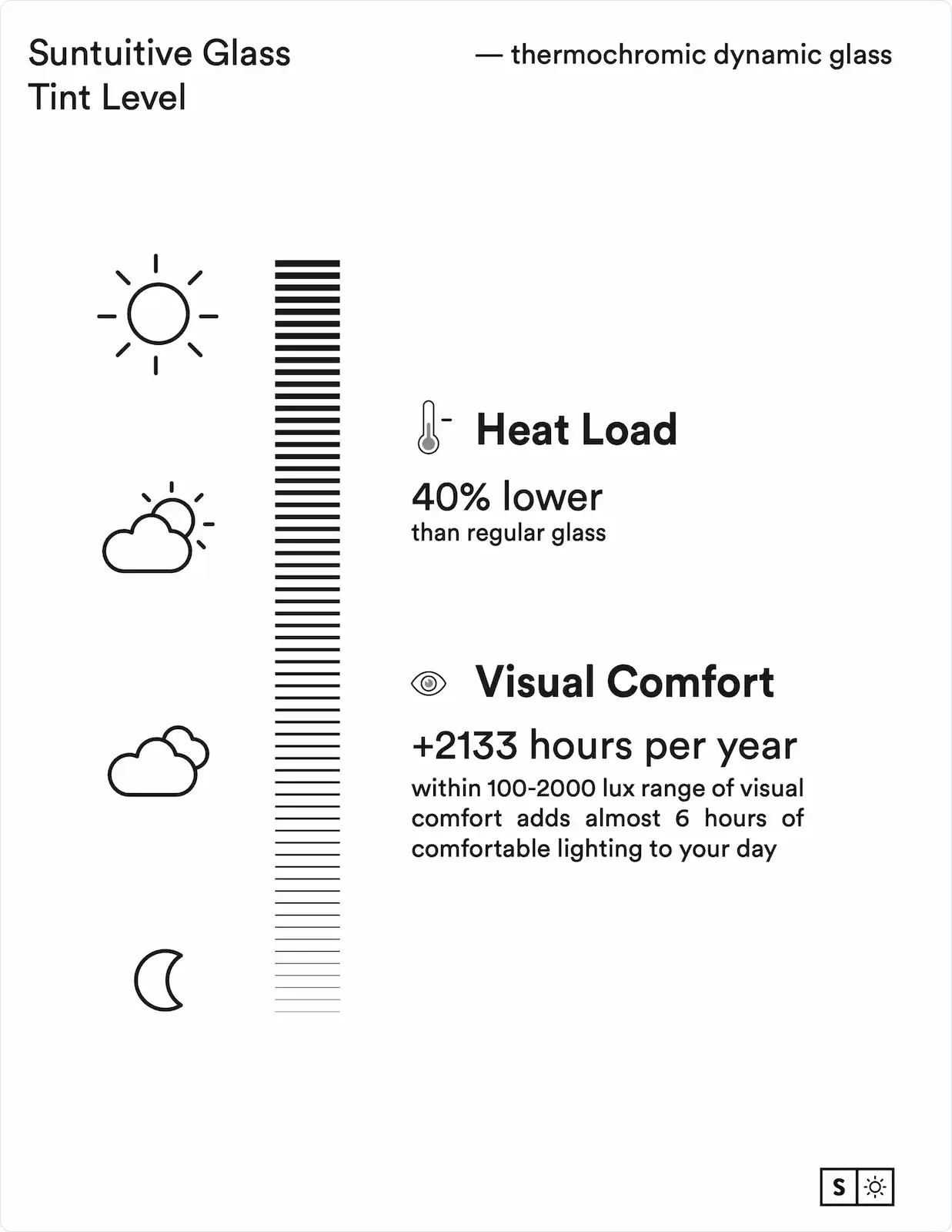
– Translated dense technical specs into product cards with visual parameters, not just numbers.
– Designed cross-product comparison in the context of use — school vs office vs commercial — so specifiers could decide without reading a datasheet.
– Established a B2B visual language conveying reliability and technical credibility without overwhelming density.
– Built a modular component system for catalogue, presentations, and specifications — one source of truth for marketing and sales.
– Reduced cognitive load throughout with visual comparisons and project case-studies tied to real installations.
Impact
“B2B isn’t about simplifying the product – it’s about simplifying the way customers reach a decision. The catalogue can stay complex; the path through it can’t.”
Key Screens
Task-led catalogue
- Browse by Safety, Energy, Sound, Façade
- Filters and comparison by project context
- Visual product cards with parameters at a glance
- Real-installation case studies inline
Goal: Match the specifier’s mental model, not the manufacturer’s SKU sheet.
Specification & quote flow
- Project-context inputs (school, office, commercial)
- Side-by-side comparison of solutions
- Clear CTAs for consultation and quote
- Direct hand-off to sales with full context
Goal: Move from spec exploration to qualified lead in one flow.
Process
Audience research
Interviews with architects, interior designers, and procurement managers. Audited real specification scenarios across school, office, and commercial buildings. The pattern was unambiguous: people search for a solution to a task, not a material.
Information architecture
Restructured by task, not SKU: Safety, Energy, Sound, Façade. Designed fast navigation through filters and comparison.
Interface & decision-support design
Product cards built around visual parameters, not just numbers. Cross-product comparison in context. Clear calls-to-action for consultation and quote.
Design system
Modular grid and typography for technical content, colour-coded protection levels and characteristics, and a component library that powers the catalogue, presentations, and spec sheets – one design system for both marketing and sales.
Testing
Tests with architects showed reduced search time, fewer questions to sales, and more autonomy in user decision-making – a strong sign that the IA was carrying its weight.
Outcome & Reflection
Thompson now has a site that makes an industrial product understandable: architects find the right glass without a phone call, school administrators see clear safety solutions, and the sales team gets qualified leads with project context already attached.
What this project taught me: don’t simplify the product – simplify how customers reach a decision. In complex B2B domains, IA is the product.