4 min
A Design System Is a Growth Strategy — Not Just a Component Library
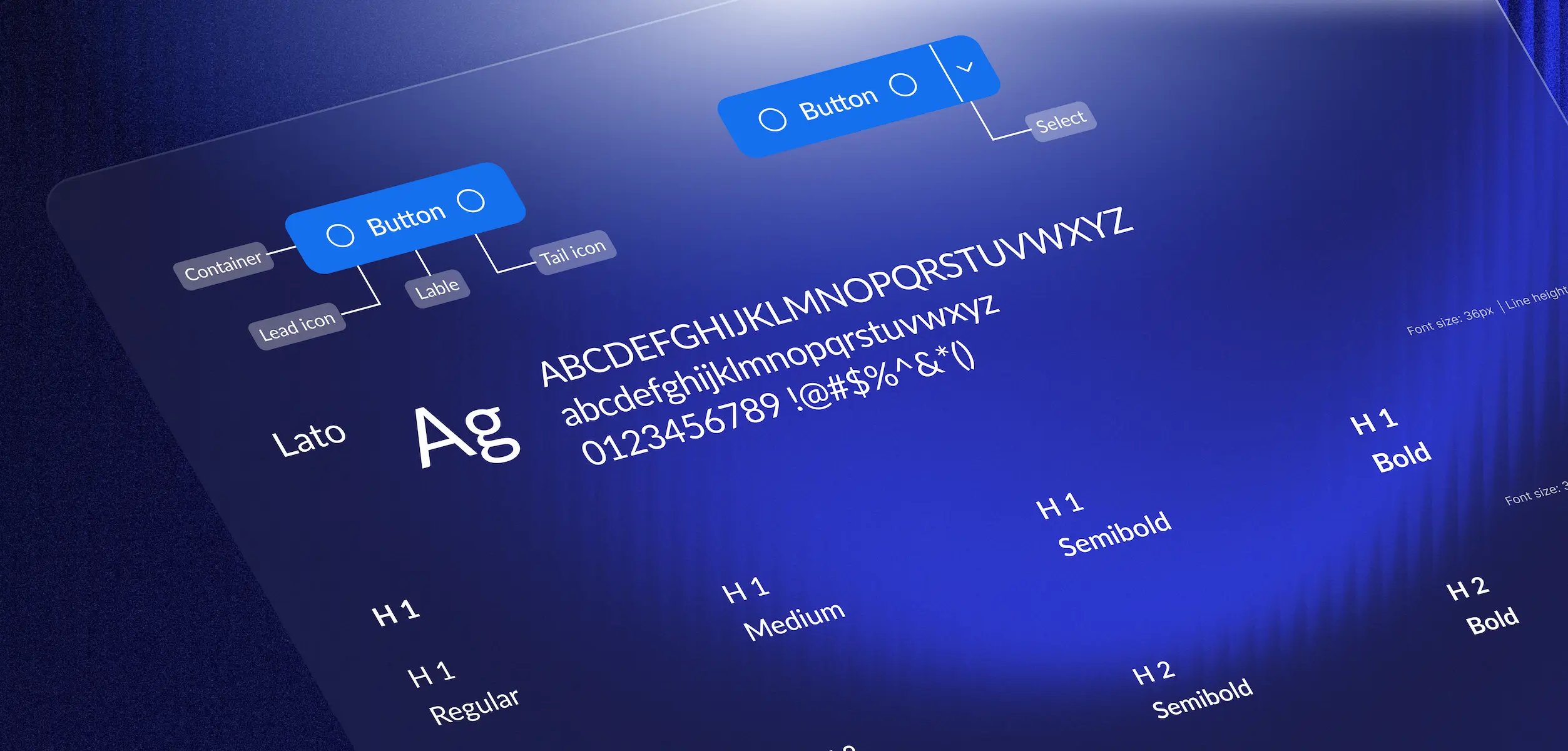
Most conversations about design systems focus on consistency and developer handoff. Both matter. But they miss the more interesting argument: a design system, built correctly, is a compounding asset that directly affects business metrics — shipping velocity, conversion rate, and the ability to grow without proportionally growing the team.
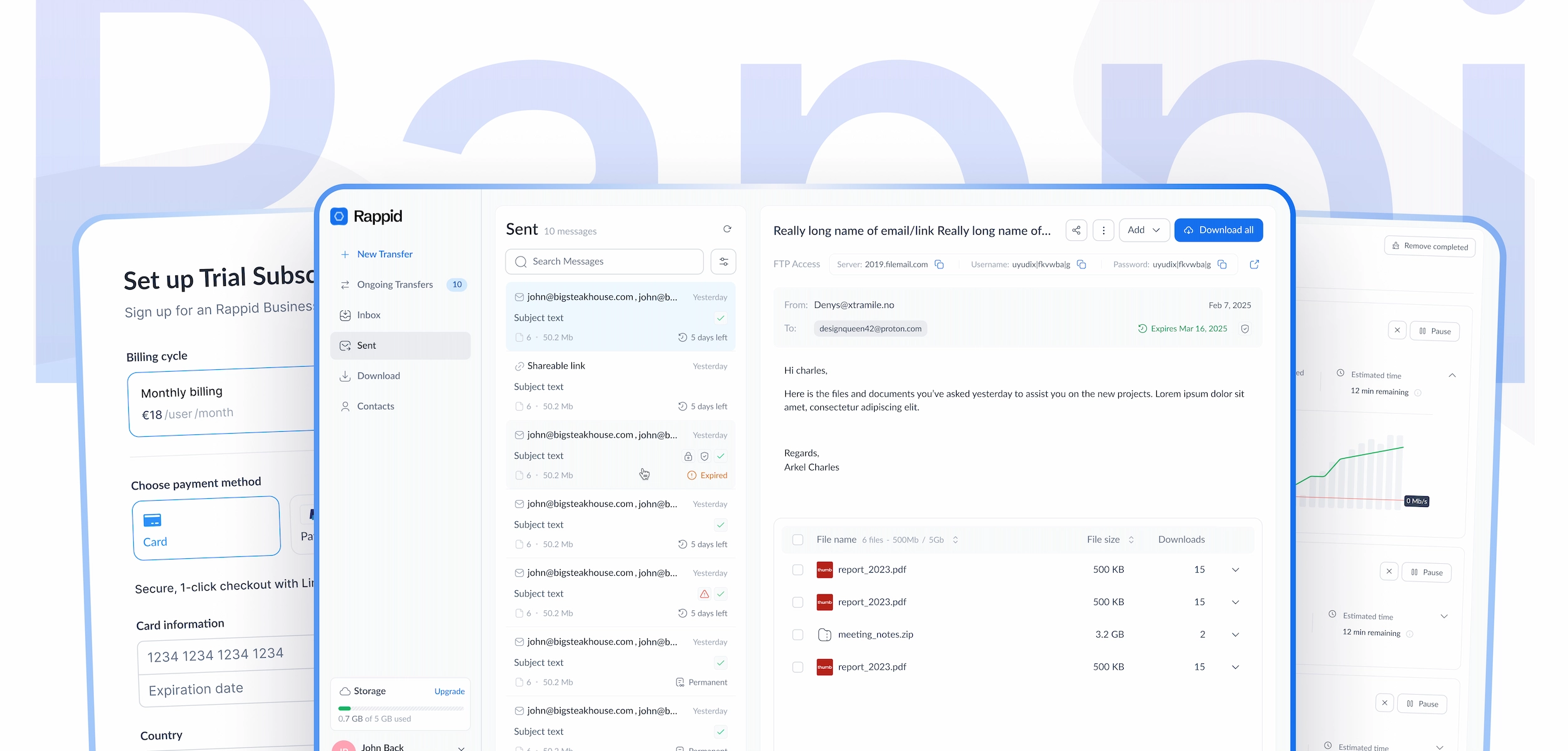
I learned this working on a B2B SaaS file-transfer product that was in decline when I joined. Paid licenses were trending negative year-over-year. The brief was a full system rebuild — site, desktop app, mobile, Outlook plugin, marketing — and a small team that had to ship more without adding headcount. The design system wasn’t a deliverable on a list. It was what made everything else possible.
“Growth doesn’t come from a redesign. It comes from a system. When the same component library powers every page on the site and every screen in the product, every team gets faster — and the user gets one product instead of five.”
The real cost of not having a system
Before the rebuild, every new marketing page required a multi-day design and development loop. A designer would create the page, a developer would build it, inconsistencies would emerge in review, fixes would happen, and the cycle would repeat. For a growing product competing in a crowded market, this meant the site was always slightly behind — always one sprint late on the campaign that needed to land this week.
The product surface had the same problem at a larger scale. The desktop app, the download page, the onboarding flow, the payment screen — each had drifted over time. Different button styles, different spacing, different interaction patterns. Technically functional. Visually incoherent. And every inconsistency was a small erosion of user trust.
Building the system into the CMS, not alongside it
The decision that changed the outcome was where to build the component library. Instead of maintaining it in Figma and hoping engineering would follow, I built it directly inside the CMS — a component library native to the platform the marketing team actually uses to publish pages.
The result: new pages went from a multi-day design-and-dev loop to engineering self-service. A marketer could compose a new page from existing primitives without a designer in the loop. The page would be on-brand, responsive, and consistent by default — because the components enforced it.
Page generation speed increased roughly tenfold. Not because the team worked faster. Because the system removed the bottleneck entirely.
What happened to the metrics
By the time the rebuild was complete, paid licenses had shifted from negative year-over-year growth to double-digit positive growth. Trial-to-paid conversion climbed from 39% to 53%. Monthly transfer volume grew by 28%. Trial signups roughly doubled.
I am not claiming the design system caused all of this. The product UX improvements — the funnel redesign, the onboarding overhaul, the settings re-architecture — contributed directly. But the system is what made those improvements possible to ship, maintain, and iterate on without a growing team.
A design system is infrastructure. Like any infrastructure investment, the returns are not immediate and not visible on any single screen. They compound over every sprint, every page, every product decision that benefits from a shared foundation.
“A system replaces a backlog. Once design, product, and marketing are wired into the same component library, the work compounds — every page is faster, every surface stays in step, and the team can ship without waiting on a designer.”
Three things that make a design system a business asset
First: the system has to live where the work happens. A component library that exists only in Figma is a reference document. A component library built into the CMS, the codebase, or the design tool the team actually uses is infrastructure. The difference is whether engineers can self-serve without a designer in every decision.
Second: the system has to cover the full surface. A system that covers the product but not the marketing site, or the web but not mobile, creates as many inconsistencies as it solves. Completeness is what makes the compound effect work.
Third: the system has to be connected to outcomes. If the component library exists to make designers feel organised, it will never get the investment it needs to be maintained. If it exists to increase shipping velocity and reduce design-to-production cycle time, it has a business case that leadership can understand and fund.
The conversation worth having with leadership
Most design system pitches focus on quality: “our interfaces will be more consistent.” The pitch that works is a velocity pitch: “we can ship twice as many pages with the same team, and every page will be correct by default.”
If your product is in a competitive market where speed matters — and almost every B2B SaaS product is — the design system is one of the highest-leverage investments a product team can make. Not because it makes things prettier. Because it makes the whole organisation faster.
